
A powerful new technology is transforming industries by creating virtual clones of physical objects, machines, processes, and even entire cities. This technology is called Digital Twins, and it’s quickly becoming a major trend in engineering, healthcare, smart cities, and manufacturing.
✨ What Are Digital Twins?
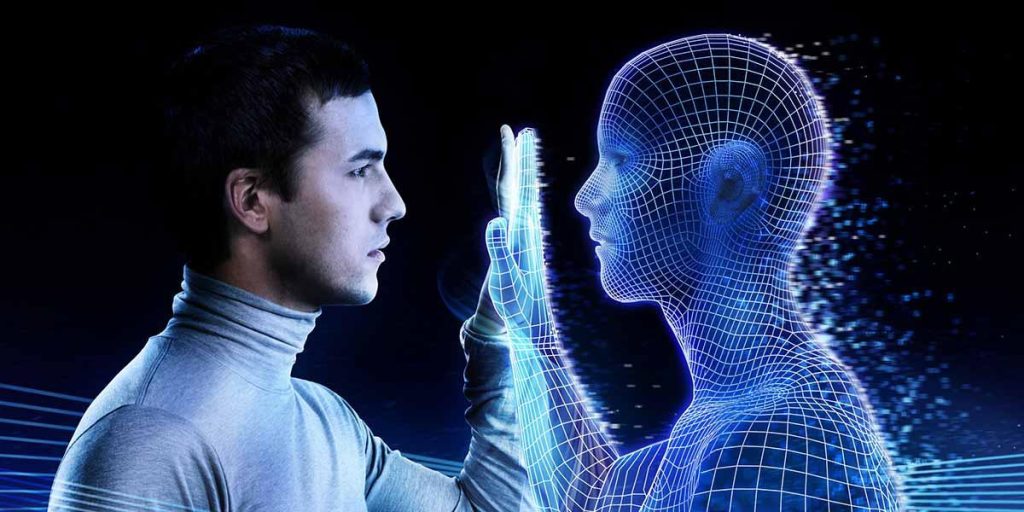
A Digital Twin is a virtual copy of a real-world system that continuously receives live data from sensors and IoT devices.
This allows businesses to simulate, test, predict, and optimize performance without touching the physical object.
Think of it as a real-time mirror that updates every second.
Example:
A digital twin of an airplane engine shows temperature, pressure, vibration, and performance in real time, helping engineers predict failures before they happen.
🚀 Why Digital Twins Are Transformative
1. Predict Problems Before They Happen (Predictive Maintenance)
Machines can be monitored continuously to detect failures early, reducing breakdowns and saving costs.
2. Smarter Decision Making
Industries can test ideas in the digital world before applying them in the real world — reducing mistakes.
3. Cost Efficiency
Companies can simulate thousands of scenarios without wasting materials or manpower.
4. Increased Safety
Dangerous tests (like factory explosions, hazardous chemical reactions) can be simulated virtually.
🏭 Real-World Applications
🏙 Smart Cities
Cities like Singapore use digital twins to optimize traffic, water supply, electricity flow, and disaster management.
🏥 Healthcare
Doctors can create digital twins of organs to plan surgeries or test treatments without risk.
⚙ Manufacturing
Factories simulate production lines to improve speed, reduce errors, and monitor energy usage.
🚗 Automotive & EVs
Car companies create digital twins of engines, batteries, and vehicles for performance testing.
🏗 Construction & Architecture
Architects build digital models of buildings to test durability, airflow, sunlight direction, etc.
🔧 How Digital Twins Work
1️⃣ Real-world object collects data using sensors
2️⃣ Data is sent to the cloud using IoT
3️⃣ A virtual 3D model updates in real-time
4️⃣ AI analyzes performance
5️⃣ Users make improvements based on predictions
It blends:
- IoT
- Cloud
- AI/ML
- Sensors
- 3D modelling
- Big data
🌐 Types of Digital Twins
✔ Component Twins
Digital copy of a single part (like a turbine blade).
✔ Asset Twins
Digital model of an entire machine.
✔ System Twins
Simulates complete workflows (like a factory floor).
✔ Process Twins
Represents full business processes end-to-end.
🔮 Future of Digital Twins
Experts predict that in the next decade:
- Entire countries will operate using digital twin models
- AI-powered twins will self-correct real systems automatically
- Medical digital twins will create personalized treatments
- Big companies will use digital twins in every stage of product design
Digital twins will become a core part of Industry 5.0, where humans and smart systems collaborate.